
by Revivack Team | Mar 10, 2026 | Recovery processes
If it is not measured, it is not reduced. And if it is not evidenced, it does not exist. In food service, this can be seen every day: decisions are taken “by eye”, habits are repeated, and in the end waste becomes a silent cost… and a risk. The figures are hard to...

by Sonia Ribo | Mar 12, 2025 | Recovery processes
Extended Producer Responsibility (EPR) is a key principle in the circular economy. This approach shifts the responsibility for the end-of-life of a product from the consumer and waste manager to the producer itself. In other words, companies must take responsibility...

by Sonia Ribo | Oct 23, 2024 | Recovery processes
In a world facing increasing environmental challenges, the circular economy is emerging as a necessity rather than an alternative, which means it is also an opportunity. While the mantra ‘Reduce, Reuse and Recycle’ has long been the mainstay of environmental...
by Sonia Ribo | Sep 10, 2024 | Recovery processes
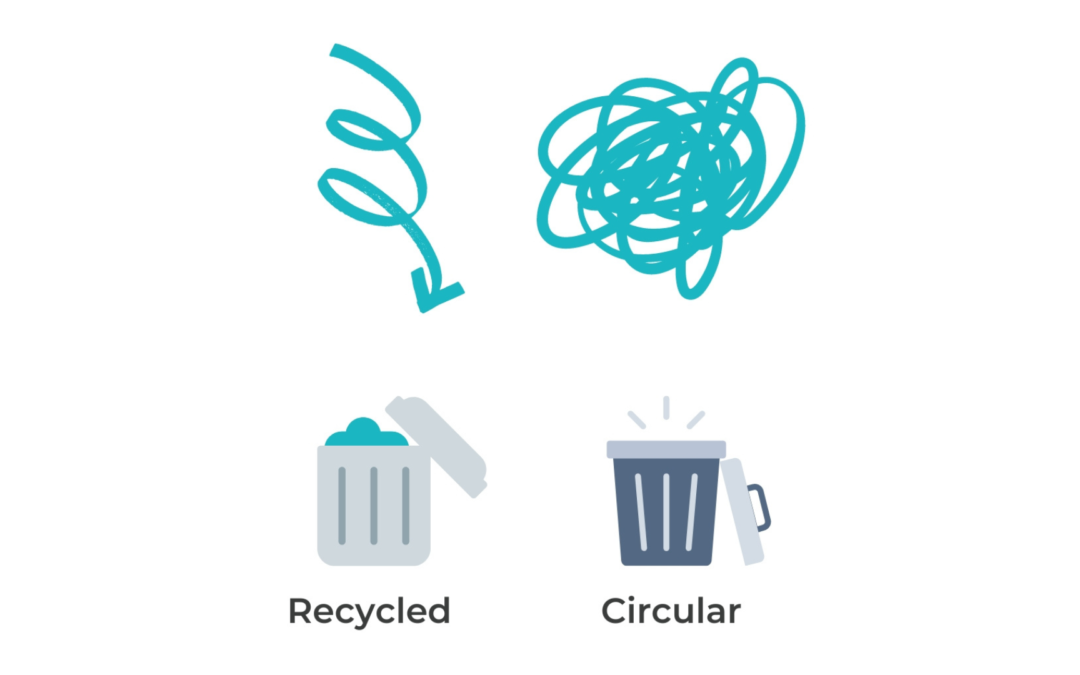
Is a circular product the same as a recycled product? Although both concepts are related to sustainability and waste management, the answer is a resounding NO. Let us explain the differences, the advantages of a circular product and its benefits for the environment....
by Sonia Ribo | Jul 25, 2024 | Recovery processes
In a world increasingly aware of sustainability and environmental responsibility, to integrate the circular economy in your company emerges as an effective solution to face the challenges of waste and resource management. We know that taking the step may seem like...

by patricia.justel@revivack.com | Jun 25, 2024 | Recovery processes
You may be reading this article because you produce or market products of different kinds and you intend to find out how to introduce them into the circular economy circuit so that the raw material from which they are made is not lost. If you have reached this point...
